
Dooley Noted: 9/6/2014
If you’ve ever played a sport, you’ve been told to keep your body “fast and loose” between times of tension.
Watch sprinters prep. They are bouncing around like they’re on trampolines.
Watch fighters before a punch or kick, and they are moving around as if they were made of jelly.
This is genius.
Maximal tension doesn’t come from a place of preexisting tension. It comes from true relaxation. One has to learn to completely let go to be able to fully pull back that rubber band. Then, they let it fly as fast and with as much tension as can be generated.
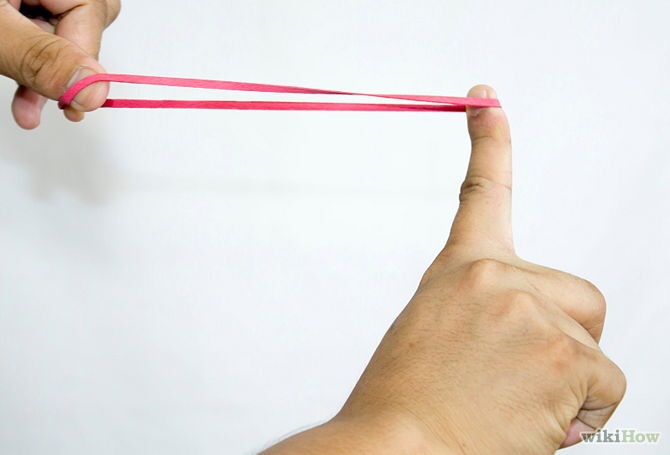
The best athletes not only know how to fire the best. They are the best at relaxation before the tension is delivered.
So, if you are stiff throughout your workout, you aren’t doing your system any favors.
Get fast and loose.
Does it look goofy? Maybe.
If you understand the laws of physics by which we live, then you know this isn’t a goofy-looking waste of your time. This is maximal efficiency for maximal tension output.
To be fast and loose sets you up to be the strongest you’ve ever been.
Be the rubber band.
This is not just in the gym.
That tension you carry at home and work? It gets carried into the gym with you.
Tense at work? You’d better get fast and loose.
Tense at home? Shake that whole body like a Polaroid picture.
When I heard Dr. Stu McGill (low back researcher extraordinaire) speak last year, he noted that Pavel of StrongFirst had the strongest abdomen he has ever tested.
And Pavel actively promotes the usage of “fast and loose” techniques between times of building maximal tension.
Consider getting looser to pull back your rubber band. You just might find you fire stronger and harder.
As always, it’s your call.
– Dr. Kathy Dooley