Dooley Noted: 12/11/14
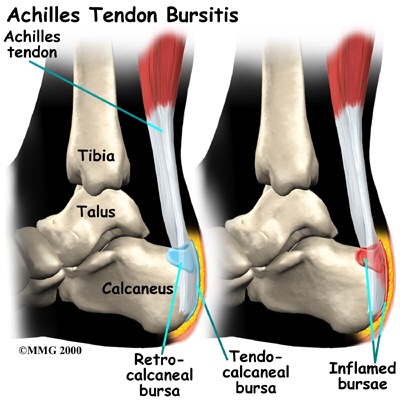
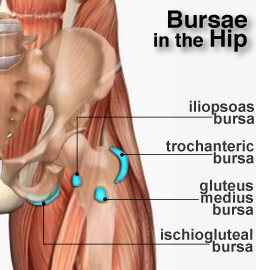
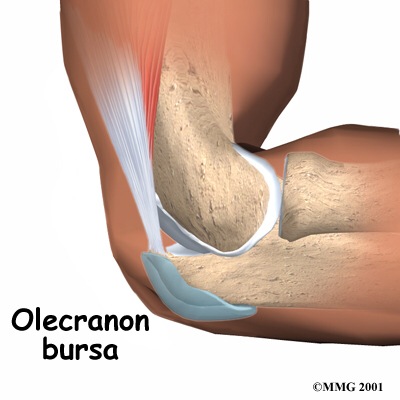
Bursae are fluid-filled sacs located outside of a joint.
In the cadaver, they look like fascial pockets. They are packed with synovium, a super-slippery lubricant that prevents excessive friction and erosion, usually at bone.
I am convinced that the bursae are severely underestimated as pain generators. It explains why even after injections and anti-inflammatories, the pain quickly returns as you return to your movement patterns.
Those strategies continue to irritate bursae, whose fascia and synovium are jam-packed with pain reception.
Bursitis feels like boring, nagging pain that typically is worst after use and quieter after some rest.
Bursae are packed in areas like the hand, foot, knee, wrist, ankle, hip, elbow and shoulder. They are typically located in spots where tendons meet bones, to prevent the muscle contraction from eroding the bone.


But you see virtually none in and around the abdominal muscles.

The muscles of the trunk are flat and built for heavy endurance. The abdominal musculature was put on earth to contract up to 25,000 times a day to help you breathe and stabilize the spine.
Then, the limbs can move freely.
But the trunk muscles are largely missing bursae, which are pocketed in high friction areas. So, repetitive, sequenced use of abdominal musculature doesn’t typically lead to high friction rubbing at bursae.
Take this as a hint.
If you have bursitis of the distal joints, get your abdomen checked for functionality.
If your knee muscles are driving your force, it will irritate bursae and create discomfort at high friction spots.
The same thing goes for other areas, such as at the 40+ bursae you have in the foot and hand.
If the injections, anti-inflammatories, and distal joint therapies aren’t sticking, consider getting your abdominals assessed for functionality.
The trunk has limited bursae. Use the trunk to build some force and stability, so the distal joints can move more freely.
As always, it’s your call.
– Dr. Kathy Dooley