
Dooley Noted: 7/21/2015
Due to the fact I have a bit of pes planus, or flat feet, my entire life people have been telling me that I over-pronate my feet.
Since I know a lot more about pronation these days, I can tell you that nothing could be farther from the truth.
Yesterday, I found myself wearing a pair of cute little flat shoes. Feeling my wide foot crushed by the shoe’s tiny toe box, I removed my shoe to see sore and red lateral toes.
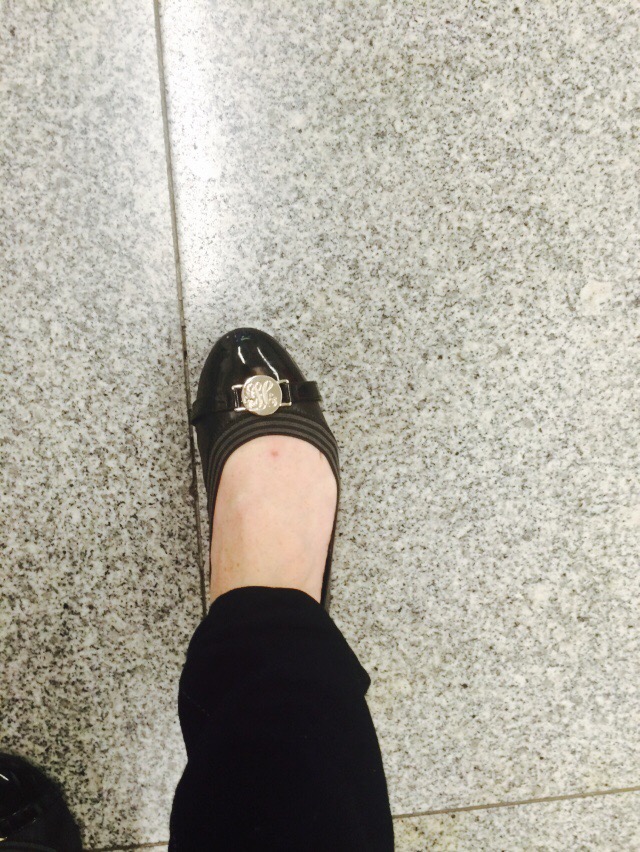
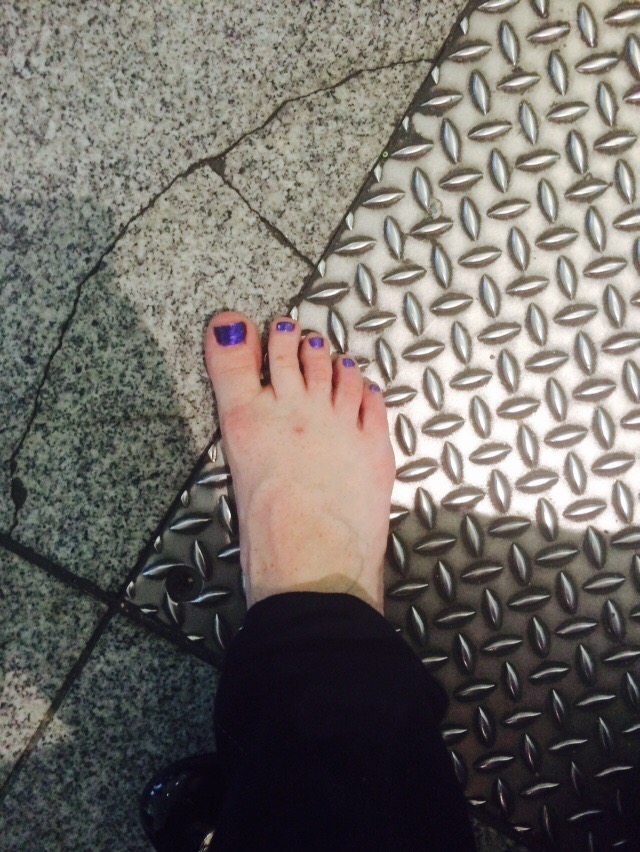
I felt myself unable to achieve mid-stance, and my toes were curling and pushing my weight to the outside of my feet.
My feet were in a false sense of supination, with the weight outside my foot and no quality arch formation. This is a common stance for people who believe they overly pronate.
I believe people have a really hard time achieving true pronation. I also believe they have a hard time achieving true supination.
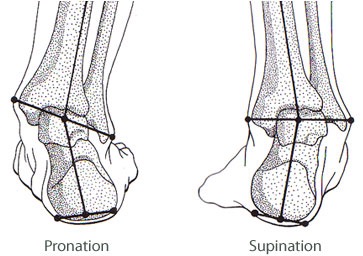
The truth is most people fall somewhere in between, and one needs to learn to both be able to supinate and pronate the foot.
I’ll give an example.
In a single leg squat or single leg deadlift, the front leg’s foot must be pronating on the descent. You actually want the arch to flatten to be able to spread your surface area over the sole of the foot.
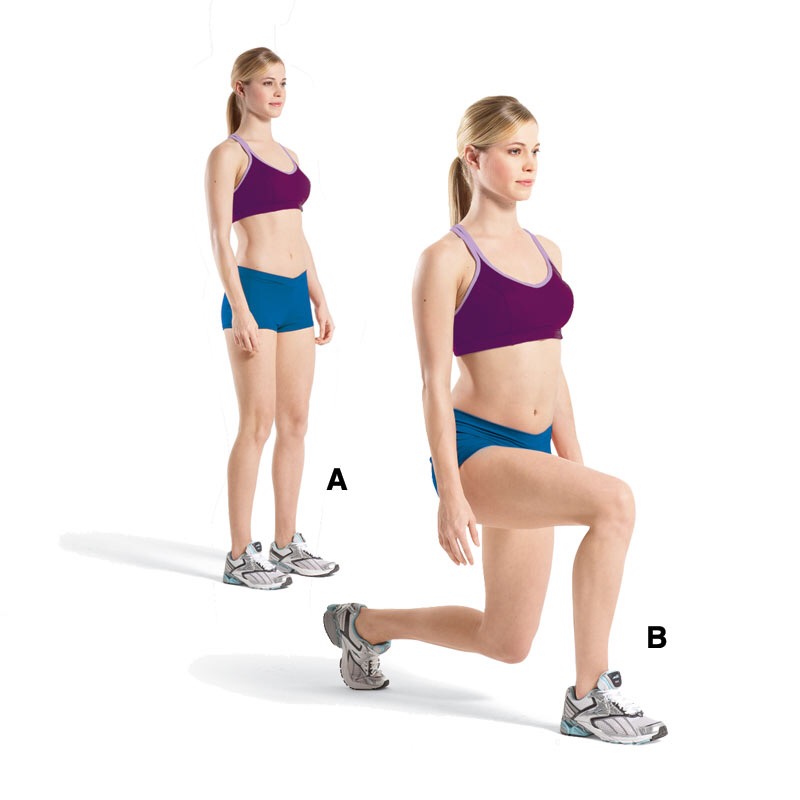
The back leg approaches a state of supination, when you crave an arch and encourage external rotation of the hip as well as extension.
But many people cannot comfortably get into pronation in the front foot, so they wobble back-and-forth between false supination and false pronation.
To me, this is not an overly pronating foot, but a foot seeking to properly pronate on that lead foot.
If one cannot achieve true foot pronation, it is very challenging to be able to activate the hip into the proper internally rotating, flexing, and abducting pattern that tends to be coupled with pronation.
Thus, the famous knee valgus collapse becomes present. If one can’t properly pronate the foot, the hip can’t follow suit. Thus, the knee ends up compensating for a hip, ankle and foot that have faulty mechanics.
You can learn how to properly pronate and supinate the foot by studying some videos on my YouTube, as well as reading amazing books like What The Foot and Human Locomotion.
Rethink throwing an orthotic onto that foot you assume is overpronating.
But first, get yourself assessed by a movement professional to see how your feet, in whatever position, may be affecting your systematic movements.
As always, it’s your call.
– Dr. Kathy Dooley