Dooley Noted: 7/27/2016
Each day, I read patient intakes that note they wake up at night to urinate.
Many of them reduce their nighttime water intake, with the hypothesis it will prevent them from waking.
Unless they have been diagnosed with nocturnal enuresis (bed wetting), then the most likely case is that they don’t wake to urinate.
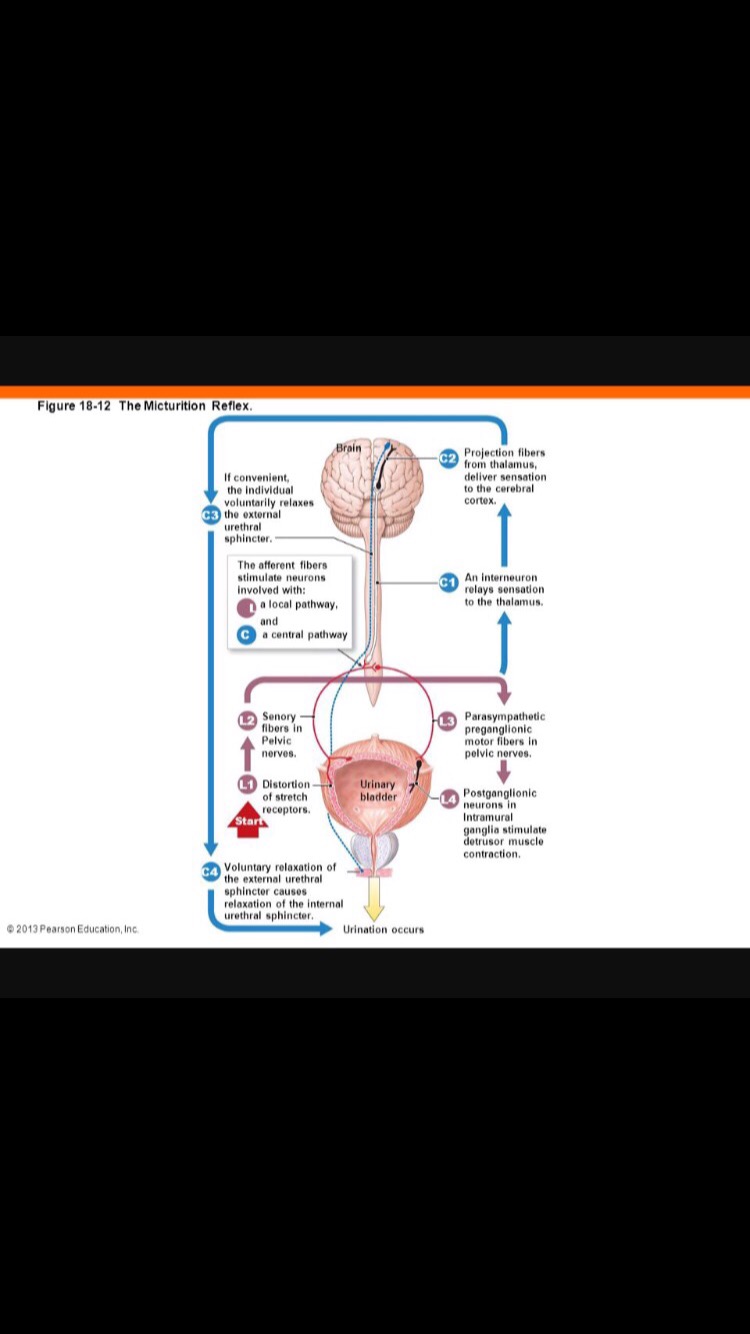
You have this incredible ability to inhibit nighttime urination once you are unconscious. This micturition (urination) reflex is down-regulated so you don’t urinate in your bed when asleep.
Thanks to a communication between your central nervous system and your genitourinary system, the mind helps initiate urination. But when asleep, a mature bladder well-past toilet training can inhibit urination.
Your urinary bladder has a 400-600 mL capacity to hold fluid. Basically, you can withhold 1/2 liter of fluid before you override your ability to hold urination.
That said, you are most likely not waking up to urinate.
That reflex is not initiated in your unconscious brain.
You are waking up for some other reason.
Once alert, the micturition reflex is present again, urging you to urinate.
So, there’s no real need to limit your fluids, unless you’re approaching that 1/2-Liter ingestion mark after your before-bedtime bathroom trip.
You need to get to the root of why you keep waking up.
Many reasons may persist as to why one wakes from sleep.
Reasons can vary anywhere from excessive stressors, anxiety, or even sleep apnea.
Yes – you may stop breathing, which forced you to wake up so that you are forced to encourage breathing.
And once you awaken, your micturition reflex can be intimated by the conscious brain, urging you to urinate.
If you are getting up once or more per night to urinate, consider getting your general health markers assessed.
Some opt for evaluation by a sleep specialist, since nighttime urination may be linked to sleep apnea or sleep disorders.
Even if you don’t snore, you may be waking up because you aren’t breathing efficiently during sleep.
That affects your quality of sleep drastically.
You can monitor your sleep quality with heart rate variability monitoring and Chinese medicine diagnostic criteria, as well as sleep study evaluations.
Regardless of which you choose, consider getting assessed and corrected for nighttime urination.
It may be a sign of a bigger problem with your sleep quality and recovery.
As always, it’s your call.
– Dr. Kathy Dooley